

AI push gains speed in Malaysia: SRKK Group
Written by S. Birruntha, New Straits Times
KUALA LUMPUR: Corporate Malaysia is accelerating into the artificial intelligence (AI)-execution era, spurred by growing awareness and government support under the 2026 Budget.
Digital transformation specialist SRKK Group said national policy frameworks and the establishment of dedicated AI collaboration and excellence centres are paving the way for wider adoption across industries.
SRKK, which has delivered digital transformation projects for government-linked companies and major corporations, said it has seen a sharp rise in enquiries and projects involving increasingly complex applications of artificial intelligence.
SRKK chief executive officer Yew Lip Sin said in recent years, the nature of these projects have evolved from document automation to more complex tasks.
This includes enabling AI-integrated production workflows, data retrieval from knowledge repositories with natural language and AI-driven demand forecasting to help companies be ahead.
“Moreover, these have been implemented across large-scale manufacturing, logistics and retail sectors.
“In every instance, AI has enhanced internal efficiency and external scalability, preparing companies to thrive and expand in the next era.
“We are buoyant that the digital economy and AI strategies in 2026 Budget would boost the uptake from more corporations, propelling Malaysia firmly from awareness to execution phase,” Yew said in a statement in conjuction with the TRANSFORM 2026 conference.
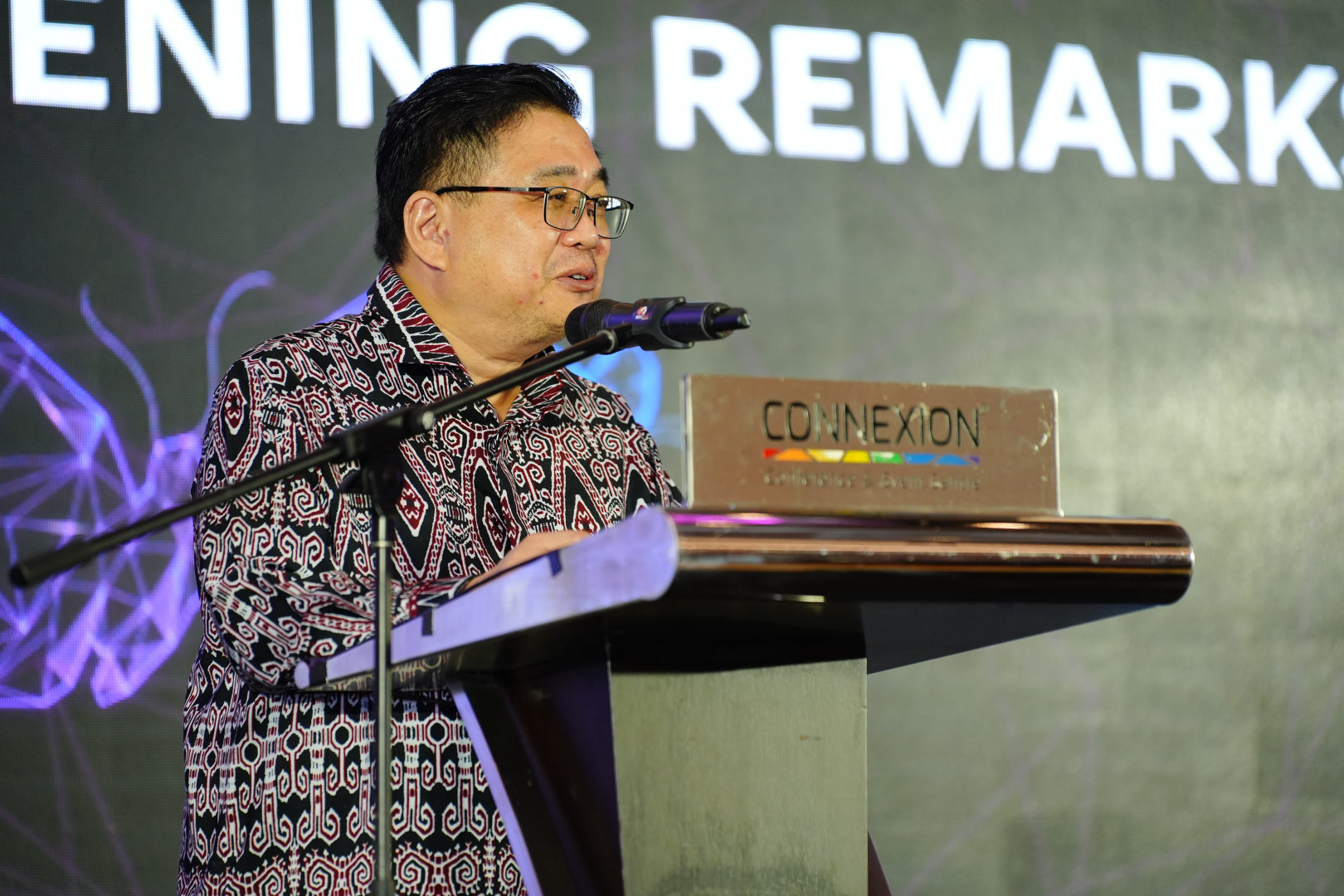
In his speech, Digital Ministry secretary-general, Fabian Bigar said the government’s recognition of AI as the engine to power transformation has led to the establishment of Malaysia National AI Office (NAIO) and development of the National AI Strategy Framework 2026-2030.
He said the digital economy remains one of the pillars of Malaysia’s vision to become an AI nation by 2030.
“In the MyDigital Blueprint, our goal is to create 500,000 new high-skilled digital jobs and cultivate a thriving ecosystem of 5,000 startups by 2030,” he said.
Fabian noted that Malaysia ranked 24th globally in the Oxford Insights Government AI Readiness Index 2024.
“What is important is what we do. We need to break down the silos that hinder collaboration and work together towards our shared objective of a digital future.
“It requires a whole-of-nation approach, a symphony of collaboration between public and private sectors, academia and civil society,” he added.
The Ministry of Digital estimates that AI could contribute about US$115 billion (RM486 billion) in productive capacity to Malaysia’s economy by 2030.
National strategies driving this growth include the Malaysia Digital Economy Blueprint 2021–2030 and the National Guidelines on AI Governance and Ethics, both reinforced through the NAIO’s expanding role.
Among 2026 Budget incentives to boost AI adoption is a 50 per cent additional tax deduction for small and medium enterprises undertaking AI and cybersecurity training recognised by the MyMahir National AI Council for Industry, jointly led by TalentCorp and MyDigital.
The government also allocated RM18.1 million to the NAIO to strengthen its efforts in shaping Malaysia’s AI strategies and fostering collaboration across ministries, agencies and the private sector.